
Nancy Rhine, MS, LMFT,CPG
It’s Time to Check Back in
I’ve been realizing it’s time to put up another blog post. I knew it had been some time. But when I checked to see the dates, it’s been a year since I wrote for my blog. And what a year it has been!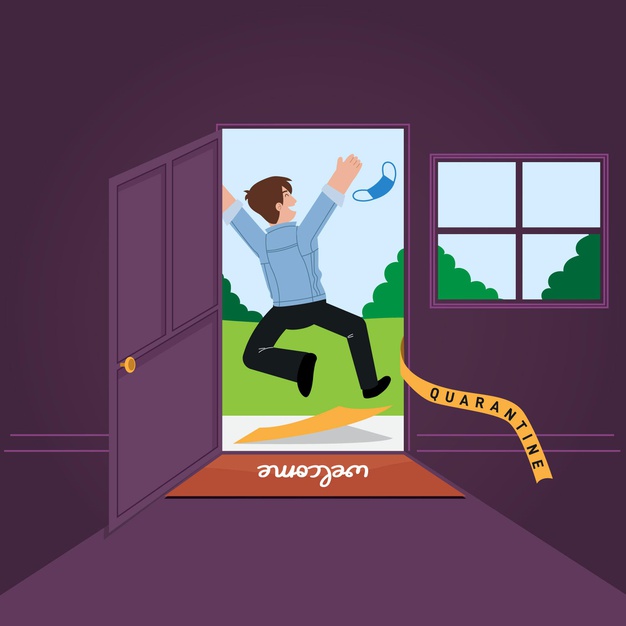
Some things I learned this year:
- My clients and I adjusted very well to doing telehealth sessions via zoom or on the telephone. Really, none of us had thought this would work. We have all been pleasantly surprised! We actually prefer the ease of just logging in and not having to drive anywhere. Or get dressed up from the waist down. 🙂
- I like telehealth so much that I will be letting go of my office where I have paid for my space with barely using it for the past year.
- I like doing all morning or all-day workshops or retreats or intensive one-on-one sessions for individuals and have a lovely space in which I can continue to offer those going forward.
- My clients appreciate reminders that as surreal and lonely and bizarre this year of quarantine has been, they are not alone in feeling this way. Each of us has our particular challenges and at the same time, as a society, we share the commonality of going through uncharted terrain of the pandemic with its associated fears and angst.
- I knew that the transition out of the quarantine would be chopping and tension-filled as well as exciting and a relief. I did not realize the extent, though, of this adjustment. My clients report a sense of almost vertigo as they grapple with where to go without masks, whether to go without masks, how to resume their lives and whether they want things to go back to the way things were “in the before times”.
- There is a kindness I see demonstrated in the public at large as I go about my business and life. We, as a people, have been through something unprecedented in our lifetimes. I see compassion and relief in people’s faces.
We still have a ways to go in integrating this HUGE experience of the last year with all its pros and cons. Some people are grieving mightily the loss of loved ones, the loss of an entire school year, the loss of their businesses and income. There is, yes, PTSD in the population.
So, please look out for support for yourself and for your loved ones – through therapy, yoga, breathing exercises, gardening, being in nature, eating well, spending time with vaccinated loved ones, petting your animals, meditating, doing art, playing music, hiking in nature, going to the beach – whatever nourishes you. We need to take time to heal and not rush into some imagined lifestyle we are not sure we want to return to. Things have changed. We have changed. Give yourself the gift of time to ease into this new phase of your life.
Onward Thru the Fog
 I want to write a little more about what I see us going through, collectively, as a culture right now in this time of the Covid-19 pandemic.
I know this is a hard time for everyone. In renowned grief expert Dr. David Kessler and shame/vulnerability researcher Dr. Brene Brown’s remarkable recent talk on Grief and Finding Meaning, they agreed that our own grief is always the biggest. Which is to say that regardless of the extent or type of loss everyone has had, our own grief feels the biggest, and that is a normal feeling!
We are each experiencing individual losses in this time of the coronavirus – loss of routine, loss of freedom to run around to wherever we want whenever we want, perhaps loss of loved ones, loss of our own health, loss of job/businesses or income, loss of school for our kids, loss of vacation or travel plans. The list goes on and on.
And, then, together we are all collectively experiencing this unknowing when it comes to the future. How fast will things open up? When will they come up with widespread testing? When will there be a vaccine and how will it be distributed? When will the coronavirus abate? Will things get better in the summer? Will there be a big recurrence in the fall and the winter? When will the economy recover?
Nobody knows the answers to these questions. Nobody. Experts and pundits can guess. We can and do guess too. But we don’t know for sure.
So, there is the biggest lesson for us as humans, in my opinion. Living with this not knowing. Staying in the present. Slowing down.
Oh yes we still have to make some plans where we need to for, for instance, continuing education for our kids, care for our elders, projects ongoing at our jobs, getting supplies in for sheltering in place. Other than that, though, many of us are finding it new and interesting that we have time to think about things we normally don’t have a chance to get to.
We may be turning more to thoughts about our relationships. Our lives. Our past. Our futures. Many of us are also turning towards those piles in closets or garages or basements, and going through stuff we have put off looking at. Several people I know sorting through old photographs. Some people’s gardens are looking pretty darn good! 😊
But most importantly, I want to say that we can admit to ourselves and each other that this unprecedented “calamity” as Eckhart Tolle recently called it, is an ongoing challenge.
We need to give ourselves a lot of slack – it’s an up and down ride – sometimes we’ll feel stoic and pretty ok, sometimes we can even see the benefits of slowing down and not racing around as much as used to. And sometimes we’ll feel crabby. Irritable. Or sad. And fearful. Quite possibly exhausted – emotionally and physically.
We are ALL going through these feelings. Try to journal so you have a place to express yours. If you have a therapist, keep those appointments going online or on the phone. If you can gather family or friends together in Zoom or FaceTime, talk some about how it’s really going. Ask for help when you need it. Don’t let feeling shy hold you back from taking the risk of showing some vulnerability. You might find that doing that strengthens and deepens your bonds with friends.
Try not to get too far ahead of your skis. Keep breathing. Find creative distractions. Don’t watch too much hysterical news. Take naps. Take walks. You know the drill. I will check in more later! Meanwhile, as we say in San Francisco: Onward Thru the Fog!
Sending love, Nancy
May you be safe.
May you be well.
May you be protected.
May you be peaceful and live with ease.
The Bloom is off the Rose: Maintaining Sanity During the Pandemic
 As we enter our sixth week of sheltering in place, I keep saying to people that I notice the “bloom is off the rose”. In other words, this is starting to drag on us. Not that it was that exciting in the first place. More like it was a shock and felt extremely surreal to be quarantined.
Some of us initially felt sort of ok at home but as soon as we turned on the TV to watch news around the world, or left the house to walk around or take a drive, everything was deserted and that felt just plain weird. Here is a photo I took of Bridgeway in deserted downtown Sausalito – a normally packed tourist destination.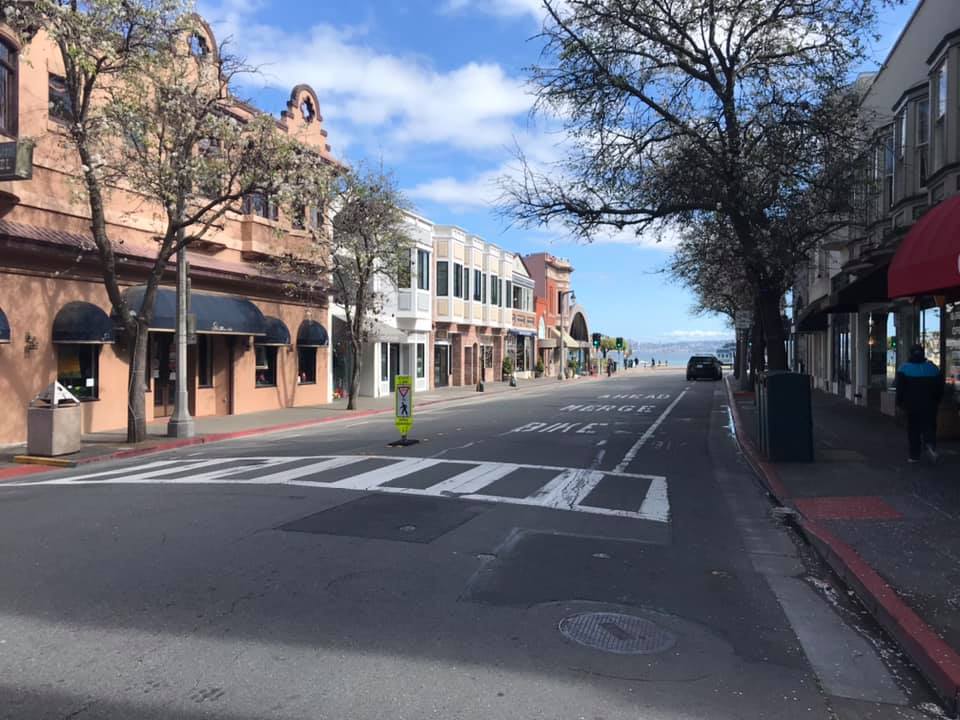
As in any kind of grief process, the first steps are almost always SHOCK and COMPARTMENTALIZATION as we focus on everything that needs to be done immediately. When we lose a person to death, there are bills to be paid, arrangements to be made, people to notify, an obituary to be placed, etc etc.
In this pandemic, it’s essentially the same. Numbing shock and disbelief. And the need to zero in on what needed to be done immediately. For instance, how to buy critical supplies, including disinfectants and protective gear of all sorts. Then, how to get food and cleaning supplies delivered. Deciding whether we should take a risk and go to a store, wearing gloves and masks and taking a shower when getting home.
 Parents with children have had to suddenly figure out how to set up day care or school-like settings in their homes, how to tutor their kids in subjects they might not be good at, how to keep some sense of discipline going while also recognizing that their kids are struggling too, not being able to be with their social cohort. How to get the kids some exercise. How to allay their fears, too.
Adult children with high risk senior parents have been struggling with not 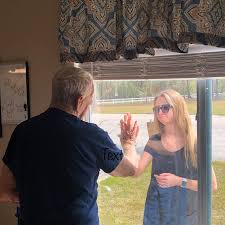 being able to see their folks. They can’t go to their homes, they can’t go to their nursing homes. They are trying to teach their elders how to connect using videoconferencing tools. Many times, that is working pretty well as a hopefully temporary substitute for the real thing.
Some people are working their paid jobs from home. They are lucky! Although, they are finding it is tricky to work fulltime, keep the house disinfected, the supplies coming in, the kids taken care of or caregiving an elder in their home.
Many people have been laid off or furloughed and have no income. Or 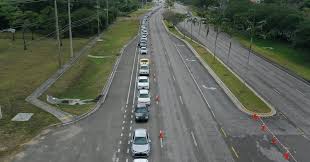 worse, no income and no savings. We’ve all seen the devastating pictures of lines and lines of cars waiting for Food Bank supplies.
So, as this quarantine continues, how do we cope?
Some people, as we see on the news, are pushing for reopening businesses. That is very controversial. Emotions are running high. People are facing losses of income and losses of their businesses. And most people are very worried that if we open things back up too soon that we may re-experience a surge of cases and a spread of the virus. There is so much confusion about how many cases are out there. Where is the testing?!
Back to how do we cope?
Well first of all, we have to remind ourselves and each other that all of the feelings that are running rampant are totally normal. It is normal, as in grief, to feel CONFUSION, FRUSTRATION, ANGER, FEAR AND SADNESS.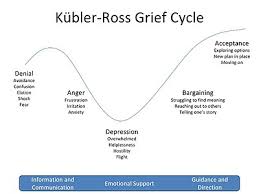
We don’t have to have all the answers. We don’t have them so we may as well let ourselves off the hook there.
But we can look at our feelings, notice them, accept that they are there and not beat ourselves up over them. Try to find anything at all that helps you feel a little less raw and stirred up.
Watch comforting videos like Jack Kornfield and Tara Brach have put 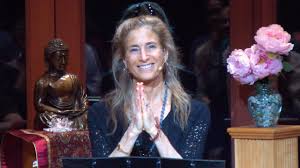 together in their series A Steady Heart in Time of Coronavirus. And Eckhart Tolle’s Staying Conscious in the Face of Adversity. Any philosophers or teachers that you like or have ever liked – it may be a good time to search on youtube for videos of them.
 Go to therapy online. Many of my clients were initially uncomfortable with the idea of videoconferencing or even phone sessions for their therapy sessions. However, after getting our feet wet, we are seeing that it is really a tremendous blessing to have these social media tools in order to stay in touch! The technology actually sort of disappears as we concentrate on feelings and thoughts.
 Creative distractions, as a friend calls them, are good too. Light reading, uplifting movies,FaceTime or Zoom or Google Hangout conversations with family and friends. Cooking, baking, knitting, any hobbies you have. Painting. Coloring. People are reporting their gardens have never looked better since many of them are out in the yard, planting, pruning and weeding. 😊
Journaling can be a big help. Journaling *just for yourself*. A place where you can vent anything, no matter how wild. A release. It’s difficult right now to keep telling all your feelings to other people who are also having all of their own. But you need to be able to get things out of your head!
Music is good. Lots of great music is streaming online. Free concerts, broadway musicals, etc. Put on your headphones or turn up the volume, and dance!
 Exercise – if you can safely get up and move around – do this! Get outside in nature while social distancing and wearing your mask.
Try to eat well. They are calling this the “quarantine 15” referring to the 15 pounds we’re all gaining during this time stuck at home.
Help someone else! People are appreciating a quick (or longer) call and check in. We’re all in this boat together. What can you do to help somebody else out, help them feel better by letting them know you are thinking about them and care about them. This helps you feel useful and might be the most important coping tool of all.
 And, of course, we know eventually this too shall pass. Pray. Meditate. Give thanks for everything good you do have in your life. Practice and repeat.
Blessings, Nancy
Fear is Part of Grief in Coronavirus Times
 As we navigate through the uncharted terrain of coronavirus days, weeks and perhaps months, most of us are experiencing: fear, confusion, frustration. Things feel surreal. Where do we turn? What do we do? Can we make plans for the future? Not really.
The immediate becomes paramount. How do we buy groceries today and stay safe? For those of us who are health professionals, how do we teach our patients (and ourselves) to adjust to video conferencing and/or phone sessions?
Some of my clients wonder who to let in their homes. “Can my housekeeper still come? Can my nanny still come when I am working from home and need their help taking care of my kids? What about the construction project going on in my kitchen – can the carpenter continue?”
We are all figuring things out day by day, instance by instance. There is no  rule book on how to proceed now. What if you work at a grocery store or your family member does? Do you or they still go in to work? What about paying the bills if there is no paid time off?
Yesterday a friend sent me a very insightful article from the Harvard Business Review called “That Discomfort You’re Feeling is Grief”, an interview with David Kessler, the world’s foremost expert on grief.
Kessler co-wrote with Elisabeth Kübler-Ross On Grief and Grieving: Finding the Meaning of Grief through the Five Stages of Loss. His new book adds another stage to the process, Finding Meaning: The Sixth Stage of Grief. Kessler also has worked for a decade in a three-hospital system in Los Angeles. He served on their biohazard’s team. … He is the founder of www.grief.com which has over 5 million visits yearly from 167 countries.
Kessler describes the grief we feel over losses in our daily lives, e.g. going to work, sending the kids to school, going out to eat or to movies, not getting to visit our loved ones in nursing homes or hospitals. (Look at Amy Klobuchar who just gave a poignant interview about not being able to visit her husband who has been hospitalized with COVID19!) Kessler says:
We feel the world has changed, and it has. We know this is temporary, but it doesn’t feel that way, and we realize things will be different. Just as going to the airport is forever different from how it was before 9/11, things will change and this is the point at which they changed. The loss of normalcy; the fear of economic toll; the loss of connection. This is hitting us and we’re grieving. Collectively. We are not used to this kind of collective grief in the air.
Kessler goes an illuminating step further – he teaches that we are also experiencing “anticipatory grief“.
Anticipatory grief is that feeling we get about what the future holds when we’re uncertain. Usually it centers on death. We feel it when someone gets a dire diagnosis or when we have the normal thought that we’ll lose a parent someday. Anticipatory grief is also more broadly imagined futures. There is a storm coming. There’s something bad out there. With a virus, this kind of grief is so confusing for people. Our primitive mind knows something bad is happening, but you can’t see it. This breaks our sense of safety. We’re feeling that loss of safety. I don’t think we’ve collectively lost our sense of general safety like this. Individually or as smaller groups, people have felt this. But all together, this is new. We are grieving on a micro and a macro level.
 What to do about these feelings? Kessler recommends being aware of them. Remembering that this is a collective experience – you are not alone in what you are feeling. And, he talks about tools such as I wrote about in my last blog post: being present, letting go, finding perspective, helping others… He ends the interview with a very helpful reminder based on his experience: “This too shall pass.”
This is a temporary state. It helps to say it. I worked for 10 years in the hospital system. I’ve been trained for situations like this. I’ve also studied the 1918 flu pandemic. The precautions we’re taking are the right ones. History tells us that. This is survivable. We will survive. This is a time to overprotect but not overreact.
Much appreciation to David!
A Recipe for Personal Agency in the Time of Covid19
 A Recipe for Personal Agency in the Time of Covid19
In talking with clients *on the phone or through videoconferencing* this week – which will probably extend into the future for some weeks – how we are grappling with sheltering in place and the constant drum beat in the news is on everybody’s minds.
Feeling powerless and fearful is a widespread, and understandable, reaction. Human beings have never been exposed to such a constantly reported on global pandemic. The spread of the virus is bad enough. The constant descriptions on tv and online, though we need the news, can really exacerbate people’s stress.
What are some ingredients for feeling calmer and more grounded at this time? What can help us feel like we have a sense of Personal Agency? By “Personal Agency”, here I mean the “ability to choose to act in ways that help oneself feel better”.
 Here are some of the ingredients my clients and I have come up so far:
Number One: Stay Connected. Look at what you can’t do right now and figure out other ways to do things. You can’t get together face to face with groups of two or more. That is the latest instructions. However, you can get together on the telephone. And online through various videoconferencing tools, e.g. FaceTime, Zoom, Skype, FaceBook Messenger, Google Hangouts and more. For FaceTime, you have to have an iPhone. For Google Hangouts, you don’t have to have a gmail account – any email account is fine. Obviously for FaceBook Messenger, you have to have a FaceBook account.
Socially isolating is NOT a healthy thing to do at any time for most people. It is especially not a good thing to do right now. Use the social media tools we are fortunate to have nowadays and talk with your family members, friends, church groups, book clubs, meditation groups, support groups and more. All of the therapists I know are continuing their practices full force, just doing them online or through the phone.
This takes some experimenting with tools, particularly for those who have not been using them. But everybody I know of who is hosting an interaction this way is more than willing to help people get up and running and experiment with them. And thank goodness, we always have the telephone!
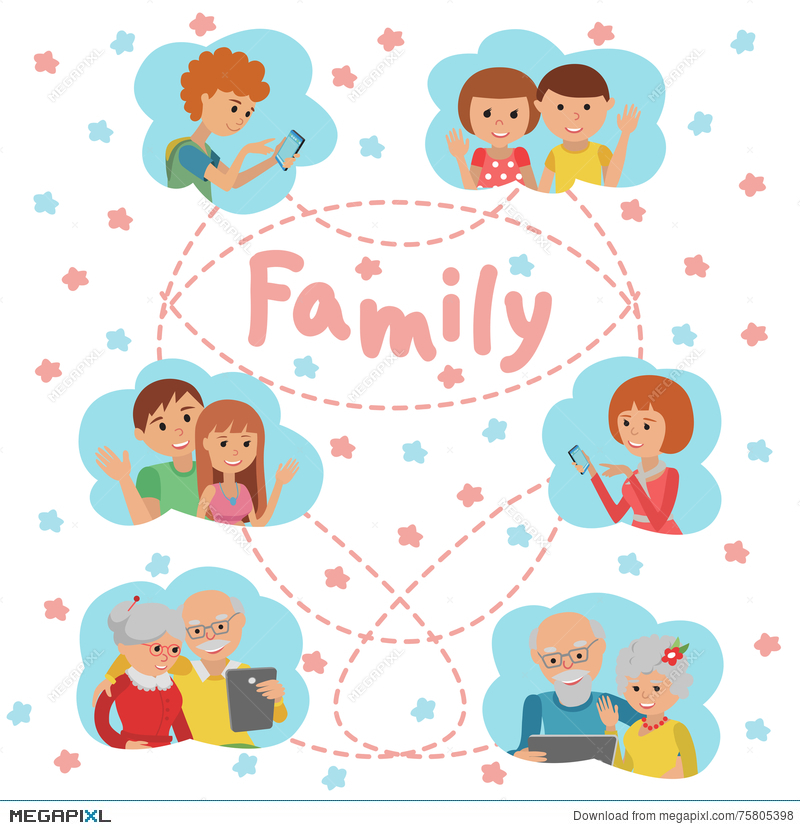 Grandparents are reading to grandkids this way. People are dating this way. People are having small parties this way. Be creative! And don’t let the newness and strangeness of using these tools stop you! Many people are helping each out with them now. That is wonderful to see.
Number two: Try to maintain some perspective. It’s not just you who is grappling with facing these changes, your fears, your boredom, your loneliness, your stress about how to teach your kids while working from home, your grief about losing your jobs, your disruption to your routines.
Masses of people are feeling this way. We have not faced a global pandemic of this magnitude before, nor one that is being televised so incessantly.
Monitor your exposure to the news if you start to feel like you especially can’t sleep due to stress and fears. Perhaps read the news to stay up on events and announcements but limit hearing or watching the pundits or politicians. Voices can amplify, through those stimuli, your reactions your visceral and emotional reactions.
Look for the instances you see or read about where people are helping each other out. Spend some time feeling gratitude for those examples, and examples you are experiencing in your own personal surroundings. For instance, I notice when I am outside walking near my home, that we are all staying a good 6 feet away from each other, and giving each other a thumb’s up sign or a kind smile. This has not always been the case in my community where people tend to stay in their own bubble. So that is a good change I’m noticing. Small but important to me.
We are all in this together. Life has changed. It’s likely we will never be the same. We need to be better prepared for similar events in the future. I think we will be! This is a huge wake up call!
 Number Three: Help someone else. When you start to feel dragged down and depressed, get dressed, think of something you can do to help someone else. Call a friend. Particularly someone you suspect would appreciate a check-in or caring phone call. Send an email or a text. Post something positive that makes you smile. Nature is still happening. Spring flowers are blooming. Pets are still doing cute things. Kids still crack us up and make us smile.
Helping someone else – maybe you can volunteer with a group online – is one of the most effective ways for helping our own selves feel we have personal agency – we can make a difference in our own state of mind through contributing kindness to someone else!
Number Four: See if you can get in touch with the “Watcher” in yourself. Notice, for example, when you are starting to feel stressed or down or anxious or fearful. Don’t criticize yourself for having normal human reactions! This goes with the territory of what we are experiencing and you are not alone in these feelings! Just notice them, talk to yourself – say I see you are feeling this, let’s just take some deep breaths, or read something interesting or do some art, or take a walk (staying 6 feet apart) or play some music. My longtime counselor friend calls this “Creative Distraction”. Let yourself off the hook – if you don’t feel like studying something, then read something purely entertaining. Try baking some bread at home. Take naps. Lift some weights. Play board games or cards. Do crossword puzzles. Work in your garden.
Straighten up your linen closet. (I did this yesterday and it looks great! 🙂 ).
Notice how you are feeling, in your mind and in your body. Breathe yourself through it if you are feeling tight. Listen to uplifting video or podcasts. Remind yourself, you are still here, you are still loved, you are not alone, we are in this together.
I’ll be writing more as we go along. In the meantime, shelter in place as best you can. And be kind to yourself.
Older Women Take the Lead
 One of my favorite anti-ageism stories comes from anthropologist Margaret Mead who described the key role played by the “old does” of the red tailed deer herds in Alaska in ensuring the herd’s survival. The old does take the lead in perilous times for the herds. We are now seeing growing numbers of women, including many older women, take the lead as our own human species survival is so critically at risk.
Below are two quotes from authors who heard Margaret tell her story many years ago. It is more relevant than ever in today’s times.
 First, from Joan Erikson, in her book Wisdom and the Senses:
“In the fifties when we worked in Stockbridge, we attended a lecture presented by Margaret Mead to a small audience of psychiatrists and guests. Her topic was the role of postmenopausal red-tailed deer which, she said, had been observed in the far north. In their old age, when all the old bucks had been killed off in contentious fighting over priorities and in territorial skirmishes, the females became the oldest survivors.
In time of drought, these old does could remember where once long ago under similar circumstances water sources had been found. When spring came late, they recalled sunny slopes where the snows melted early. They knew how to find sheltered places where blizzards could be waited out.
Under such circumstances, they took over the leadership of the herd. Old age, she postulated, has a unique contribution to make when well-stored, long experience and practical knowledge, fortitude, and hope are required. Women throughout time have practiced and nurtured these skills for community living and they serve ongoing species survival.”
And from Robert L Weber and Orsborn, The Spirituality of Age: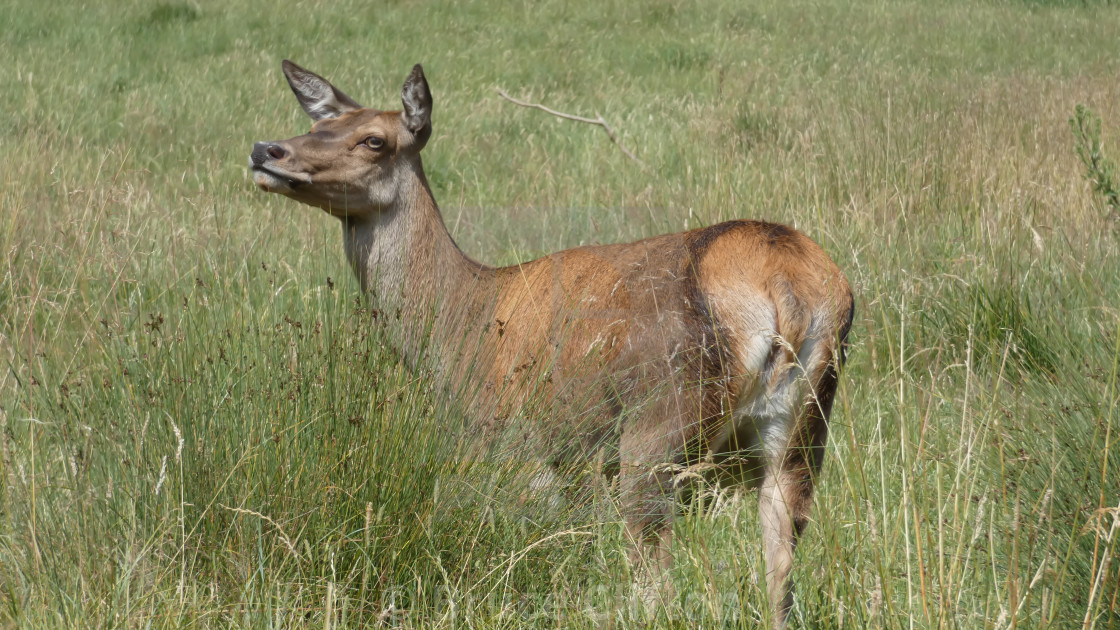
“What is the value of aging, to ourselves and to society? Let’s begin with a story about the value of aging to society. In the 1950’s anthropologist Margaret Mead delivered a memorable lecture that has relevance to our consideration. Her discussion centered on the role of postmenopausal red-tailed deer in their herd.
From the outside these old does appeared to have no value. Their male counterparts, charged with protection of the herd, had all been killed off over the years. It would be natural to think of the elderly who remained as burdens to the herd. But this was not the case.
Mead goes on: ‘In time of drought, these old does could remember where once, long ago, under similar circumstances, water sources had been found. When spring came late, they recalled sunny slopes where the snows melted early. They knew how to find shelter, places where blizzards could be waited out. Under such circumstances, they took over the leadership of the herd.’
Margaret’s story goes straight to the heart of the question at hand, standing in stark contrast to contemporary society: a culture that still tends to think of aging as a problem, marginalizing, ignoring, and even reviling the elderly. But just as the old does knew where to find sunlight, we who are growing old have knowledge and wisdom to share with others, inner reserves of resources upon which to call that are often dismissed too readily by those who would benefit the most.”
Counseling – No Country for Old Men??
 Recently, a 79 year old male client and I were discussing the topic of courage. His courage. Having to do with the fact that he has been coming to weekly counseling sessions with me for two years now. His adult son is having some challenges in his life and we discussed whether this father, my client, might want to tell his son that he has been diligently working on his own challenges, with the help of a therapist, for these past years.
My question for us to discuss was: did he think it might engender a feeling of respect and courage in the son to know that his senior dad is not above actively seeking out help and a sounding board where he can find support and ideas regarding his own situations.
My client, this father and brave pioneer, hesitated. He expressed doubt that this would matter to his son. I asked him, “Do you have any guess about how many senior men come to counseling? What percent do you think of all older folks who go to counselors are men?” He had no idea he replied.
I told him I guestimate that it’s about 15% at most. Later, I asked the same questions to my 75 year old male colleague who has been a practicing psychologist for the past many decades. His reply and guess? 5%!
Looking around the Internet, I find articles estimating the numbers to be about 10%.
So, yes, I think it’s VERY impressive for me anyway when older men seek out therapeutic relationships where they can get in touch with their feelings – all of them – and find a supportive, nonjudgmental, caring sounding board and confidante.
Like women, the older men who have seeked me out for counseling, do not want to burden their adult children and/or friends with all of their concerns. They don’t want to be burdens and they need the safety, as well, of confidentiality.
Over the past years of my counseling career, I count myself so blessed to have had and currently have older men clients in my client population. My oldest male client is currently about to turn 90! And, my very first client, many years ago was a gentleman in his late 80’s.
My joy is that they often have not ever been in counseling in their lives and that now they have a place to talk about getting older, about their relationships, who they’ve lost, their joys and their sorrows, their military careers, the whole nine yards!
So, actually, counseling totally IS a country for old men! And for older women. For all ages! We never stop learning. “An unexamined life is not worth living”, said Aristotle. I agree. Let’s keep learning and looking and feeling and getting touch with ourselves. There is ALWAYS room for growth and healing for all of us.
With Respect and Love,
Nancy
Care Partner not Care “Giver”
After experiencing both providing care for senior family members – mother, father and husband – and walking alongside counseling clients who are walking similar walks, it started to feel to me like the word “caregiver” carried a lot of assumptions and, as several clients put it, “baggage.
It can make those of us who have first experience with such a role, that we are supposed to give over our own lives, our own druthers, sadly, even our own health to fulfill some cultural idea of what we “should” do. We experience receiving lots of opinions from other people – generically through popular media, and specifically through our friends, acquaintances and other family members.

I started to think about travels in southeast asia where there was, not that long ago, a tradition called “sati”. Long story short, a widow was placed unto of her deceased husband’s funeral pyre to die with him. Maybe to accompany him in the afterlife…? The point being that the woman was supposed to end her life when her husband’s did.
This practice was legally outlawed by governments in that part of the world. The practice did still continue for some time. But the notion of -whether it’s a wife or husband or life partner or other family member – unhealthy sacrifice for the healthy partner for the dying partner is still something that permeates our culture.
I stopped using the term “caregiver”. Months later I talked about this with a psychologist colleague who had just attended a workshop with renowned Alzheimer’s expert Teepa Snow. My colleague told me that Teepa also refuses to use the term caregiver and prefers the term “care partner”. Ahhh, I said, something relaxing immediately inside me.
Care partner connotes love, attention, walking *together* down our life’s paths and also includes the ill individual taking responsibility for their care as they are able and partnering in this life project together with their support person and support circle.
Partnering includes care for *both* individuals and guides us away from latent smatterings of “sati” vibes and expectations, even in a much lesser way that the extreme practice of widow sacrifice.
So, I am encouraging all of my clients, and my family members, and friends to go ahead and try out using care partners to describe themselves and their situations. If they want to use caregivers still, that’s perfectly fine! But at least now people have more choice. And language makes a difference in how we feel!
Concerns of Some Elders About Our Country
 Many of my older clients – particularly I am finding that this is true for those in their 80’s – are increasingly concerned about the vitriol and divisiveness in our country. They are educated, informed longtime pillars of their communities and they wonder aloud, what is happening here, how can this be happening?
One of the things that some of them have in common is that they are not decades long users of social media.
None of us are, really, but some of us are more steeped in what can happen behind the scenes in technology that affects what people see online, and therefore start to think. The power of the media has grown as 24/7 one-view cable news channels have come about and proliferated. And, with the increased possibility of “trolling” online in venues such as Twitter and Facebook, and what we know about the increased capability of hackers around the world to invade systems, we are now experiencing a time of mass confusion and frustration.
 It can be helpful to understand the gravity of these hacker onslaughts against supposedly secure systems.
One of my clients who is 85 and a former professor at Ivy League schools does not have experience thinking about hackers. As a former techie and internet executive, I clearly remember how intricate the hacking capability was back a few years ago. It has only advanced since then. I also remember how our governmental entities lagged behind in their knowledge and understanding of this phenomenon which left them vulnerable to break ins.
Since social media use is a big element of what is going on in terms of steering public opinion, I have found it’s helpful to some of my older clients that I discuss this with them so that they can understand a little more and get some additional answers to the dilemmas they see in our politics and population.
They are members of what many of us still call “the greatest generation” so it is a responsibility, in my opinion, to help bring them up to speed on some of this, if they are asking and expressing concern.
They also remember terribly dark times of the Great Depression, World War II (some having lived in Europe during Nazi occupation of their countries), the Korean War and more. Their voices of experience and stories need to be heard and valued. And, where possible, some of their perspectives broadened now by explaining some of the ins and outs of technology.
This is intergenerational help and healing. We need all of us now more than ever.
The Three P’s: Pride, Pleasure & Purpose
The Three P’s: Pride, Pleasure and Purpose
A Simple Guide for How to Avoid Chronic Depression in Older Life
 Recently a colleague told me about the “three P’s” which she teaches in workshops to older people. It’s such a simple yet helpful mantra to guide you in finding balance. Finding balance is one of your key developmental tasks in life, and especially so in older anastrozole years. Balance can help you avoid falling into chronic depression.
Older people are balancing provimed the combination of all of the life lessons they’ve been through, hopefully getting to some “wisdom” on and off at this point. Wisdom meaning, according to Joan Erikson PhD’s research a few years ago, “to know how to”.
They are balancing their anabolicstation.com growing needs for exercise, healthy eating, enough sleep, enough friends, enough mental stimulation, enough fun of various sorts that feeds their souls, enough contribution to the greater good, etc.
Which brings me back around to the “three P’s”. I would say that the Pride part is something a lot of my clients feel pretty good about. They are oftentimes proud of their careers or their families, or their contribution to others. The Pleasure part is, on the other hand, something they are figuring out and beginning to understand they need more of. That pleasure is critical in helping them find enjoyment in older years because it helps balance out the increasing number of challenges inherent in aging. Sometimes we brainstorm about what used to give them pleasure, what gives them pleasure now, and what they might like to try in the future given their capabilities at this point in their lives.
Pleasure is usually connoted by something that feels good visually, sound-wise, smell-wise, taste-wise and touch-wise. It also encompasses doing new things because the brain loves novelty.
The trick is to find “just enough” like in the Goldilocks story – not too much, not too, not too scary, not too bland. You get the gist.
That brings up the other “P” which is Purpose. This I see as one of the most difficult challenges for older people. Many of my clients have felt clear purpose in their earlier years – e.g. raising their children, helping with their grandchildren, serving on Boards in their communities or doing other volunteer work, working at their careers, being successful in a whole manner of ways.
Now, though, they may not be working their last paying careers. They may not be needed to watch grandchildren who are getting older and more independent. They may not feel able to commit to structured schedules in a volunteer or paid part-time job. They also may feel that they have offered to share their lifetime of accumulated, and valuable knowledge with groups, businesses, organizations, schools, etc. and felt that they were ignored or rebuffed. They feel “adrift”
This brings up the subject, then, of grief. Loss of earlier identities, loss of income, loss of value by others for their wisdom, loss of a clear path, and loss of groups of friends one makes in work-related settings.
However, the way through this, is to first acknowledge this grief. To also acknowledge that we live in an ageist society that does not typically value our elders. Our older people’s voices are too often not sought out, and not listened to, and not respected.
As they educate ourselves about ageism in our society and get support for the grief that all of these aspects engender, they begin to be able to lift their heads up above this and take a look around for where they might have purpose now in their lives.
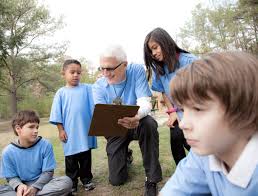 Often they come around to asking the questions: Where am I helping someone? Who is in worse or different shape than I am that I can help and who would appreciate some attention? Can I volunteer in a hospital holding preemies, can I volunteer in an assisted living community, how about in a library or a nonprofit thrift shop? Can I volunteer taking care of a pet for someone? Can I visit a home-bound neighbor who is lonely? There are so many people in need in our country and so many understaffed nonprofits trying to help.
The point is not *what* you do, but it’s about your sense of purpose. When you are thanked from the heart by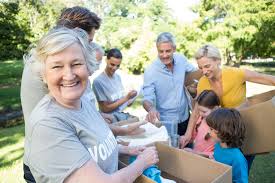 someone for something you do, you get more from the interchange than they do! This is something many volunteers say to be true – that they get more from being volunteers, they think, than the people they help.
So, Pride, Pleasure, Purpose. A simple equation, so beautiful in its simplicity and truth.